
Why the Eindhoven Declaration is needed
The United Nations traditionally stood against illicit drugs destroying lives, families and communities, but there are some that have been working since 2008 to dismantle its international legal frameworks so that illicit drugs can be freely used without penalty or resistance.
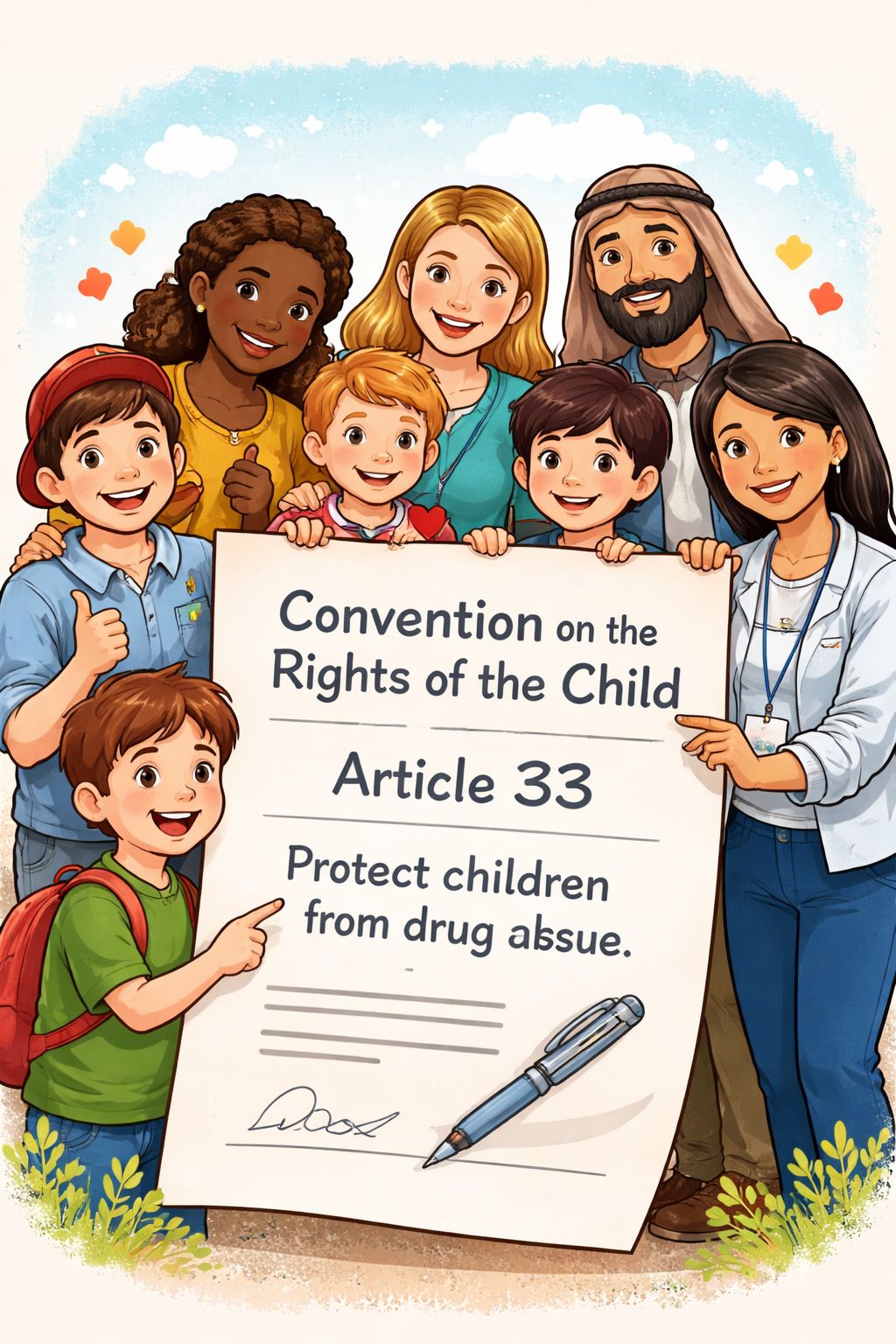
The 1989 Convention on the Rights of the Child (CRC) is the most ratified - by 196 countries - of all the UN Conventions over its 80 year history. Article 33 of the CRC calls on nations to protect children from illicit drug use, just as they must protect them from slavery or sexual exploitation. It also counters claims by the drug legalisation lobby that human rights conventions support illicit drug use—they do not. They have turned ‘harm reduction’ away from a drug cessation goal to government supported ongoing and unchecked drug use. Article 33 (CRC) clearly portrays illicit drug use and its supporters as perpetrators against a child’s right to a drug-free environment.
As some United Nations’ agencies and some governments have since taken weaker stands against such drug use and succumbed to the pressure of the pro-illicit drug lobby, the Eindhoven Declaration demonstrates the people’s voice against the weakened stances. We call on UN Member States, local governments, media, corporations, NGOs, community organisations, and concerned individuals to stand up and demand that UN agencies uphold the legal frameworks they are mandated—and funded—to protect.
Protecting the Child from Illicit Drug use and Securing a Drug-Free Society
1. Worried by the gradual, but consistent, drift away from the obligation to prevent the initiation or onset of illicit drug use, in favor of complacence bordering on condoning illicit drug use, expressed as ‘a right to harm reduction. and safety remain paramount.
2. Considering that the concept of `harm reduction’ has no formal or commonly agreed definition at the UN level despite its inclusion in various documents.
3. Cognizant of the provisions of Article 33 of the Convention of the Rights of the Child (CRC) – the most ratified of all United Nations Human Right treaties and also the only Human Rights Treaty to talk about illicit drugs – which explicitly obliges State Parties to take all necessary steps to ensure that children are protected from the consequences of illicit drug use
4. Recognizing that in convoking the three conventions jointly referred to as the ‘International Drug Control Conventions’, there is global recognition of the need for international benchmarks and parameters to address a problem that is universal in scope and is approached identically in the 1988 Drug Convention as in Article 33 of the CRC
5. Observing the deterioration in the quality of life in the family and the community, by extension the society at large, directly linked to addiction, dependence or affliction of one or more members of a family or the community to illicit drugs
6. Believing in the enormous collective capacity of parents, extended families, communities, corporate bodies, and society, when well actuated, to effectively address any scourge that threatens the sanctity, sustainability and well-being of society
The Conference of experts on illicit drug issues (policy, treatment and practice), impacted families, grassroots organizations, and youth organizations participating in the ‘Wake-up Drug-Free is the Key’ International Conference on Drug Prevention organized by Stichting One Voice One Message, Rise4life and Moedige Moeders in Eindhoven, The Netherlands from 20th – 21st March 2025, served as the venue for deliberations into how best to attain the joint goals of ensuring people are able to live in drug-free environments and that children are protected from illicit drug use and related harms.
National and territorial authorities, multi-state and multilateral agencies and institutions, corporate entities, communities and civil society organizations, and concerned individuals across the world are encouraged to adopt and endorse the following recommendations as ideal towards ensuring that children are protected from illicit drug use and that a drug-free society is attained and sustained.

A. Secure a drug-free society by protecting the right of all, particularly children, to live in a drug-free environment
Respect for the rights of individuals when addressing illicit drug issues, policies and practices which also recognizes and incorporates the overriding interest of communities and society at-large to exist and prosper in a drug-free environment, remains paramount and should be adhered to.
B. Prioritize prevention of initiation or onset of illicit drug use in all policy and action plans
Respect for the rights of individuals when addressing illicit drug issues, policies and practices which also recognizes and incorporates the overriding interest of communities and society at-large to exist and prosper in a drug-free environment, remains paramount and should be adhered to.The reality of prevention as the primary strategy to genuinely reduce harm is unassailable. Cessation, recovery and rehabilitation should be the ultimate goal of any genuine drug treatment efforts.
C. Protect children from exposure and participation in environments trivializing or encouraging illicit drug use
In keeping with the spirit and intendments of Article 33 of the United Nations Convention of the Rights of the Child (CRC) the need to protect children from exposure to every form of illicit drug use, which automatically entails a drug-free environment, should be paramount and infused in all efforts at addressing the drug issue.
D. Mobilize the community to assume ownership and leadership of efforts at addressing illicit drug use.
Parents, extended families, communities, grassroots organizations and corporate entities should be encouraged and empowered to take ownership and leadership in efforts and processes at addressing illicit drug use. Illicit drug use adversely impacts on the individual, families and the communities, making it cost-effective to best address as close to its source as possible.
E. Resist and reject the push to normalize illicit drug use
By the zero-tolerance expressed to the following vices against children under the UN Convention on the Rights of the Child (CRC): economic exploitation of children (Article 32); sexual exploitation (Article 34); slavery and trafficking (Article 35); other forms of exploitation (Article 36); torture and other cruel and degrading treatment (Article 37); and use of children in armed conflicts (Article 38), humanity affirms a resolve to protect the child as a cardinal path to protecting and ensuring sustainability of society. Continuing efforts by diverse entities to exclude the protection of children from all aspects of illicit drug use as envisaged in Article 33 of the UN Convention of the Rights of the Child, should be treated as unacceptable. We urge all, just as we say ‘No’ to the other special protection concerns above, to say ‘No’ to illicit drug use, and implement policies and practices which advance a zero-tolerance approach to exposing the child to any form of illicit drug use and involvement in the supply side of controlled substances.
F. Unequivocally establish that there is, and can be, no right whatsoever, to detract from the right of the child to a drug-free life and an environment free from drugs. Thus all claims to a so-called ‘right to use drugs’ can have no legal substance.
According to the present international legal treaties, adopted and ratified, children have a legal right to protection from illicitly used drugs as defined in the relevant international treaties and to prevent children ́s involvement in the production and/or supply side of such substances according to Article 33 CRC. There is no legal provision to confer a right to use illicit drugs.
G. Ensure that regulatory agencies charged with certifying medicines adhere to the scientifically rigorous and time-tested pathways to registering such products when dealing with controlled substances such as cannabis, LSD, MDMA, psilocybin, and other such substances and their derivatives
Efforts by relevant international and domestic agencies to skip or circumvent established scientific protocols for certifying as medicines products containing historically controlled substances or their derivatives should not be allowed. All products to be certified as medicines must undergo similar and appropriate tests and trials to ensure efficacy and guard against adverse impacts on humans.
2. Considering that the concept of `harm reduction’ has no formal or commonly agreed definition at the UN level despite its inclusion in various documents.
3. Cognizant of the provisions of Article 33 of the Convention of the Rights of the Child (CRC) – the most ratified of all United Nations Human Right treaties and also the only HumanRights Treaty to talk about illicit drugs – which explicitly obliges State Parties to take all necessary steps to ensure that children are protected from the consequences of illicit drug use
4. Recognizing that in convoking the three conventions jointly referred to as the ‘International Drug Control Conventions’, there is global recognition of the need for international benchmarks and parameters to address a problem that is universal in scope and is approached identically in the 1988 Drug Convention as in Article 33 of the CRC
5. Observing the deterioration in the quality of life in the family and the community, by extension the society at large, directly linked to addiction, dependence or affliction of one or more members of a family or the community to illicit drugs
6. Believing in the enormous collective capacity of parents, extended families, communities, corporate bodies, and society, when well actuated, to effectively address any scourge that threatens the sanctity, sustainability and well-being of society
The Conference of experts on illicit drug issues (policy, treatment and practice), impacted families, grassroots organizations, and youth organizations participating in the ‘Wake-up Drug-Free is the Key’ International Conference on Drug Prevention organized by Stichting One Voice One Message, Rise4life and Moedige Moeders in Eindhoven, The Netherlands from 20th – 21st March 2025, served as the venue for deliberations into how best to attain the joint goals of ensuring people are able to live in drug-free environments and that children are protected from illicit drug use and related harms.
National and territorial authorities, multi-state and multilateral agencies and institutions, corporate entities, communities and civil society organizations, and concerned individuals across the world are encouraged to adopt and endorse the following recommendations as ideal towards ensuring that children are protected from illicit drug use and that a drug-free society is attained and sustained.
A. Secure a drug-free society by protecting the right of all, particularly children, to live in a drug-free environment
Respect for the rights of individuals when addressing illicit drug issues, policies and practices which also recognizes and incorporates the overriding interest of communities and society at-large to exist and prosper in a drug-free environment, remains paramount and should be adhered to.
B. Prioritize prevention of initiation or onset of illicit drug use in all policy and action plans
Respect for the rights of individuals when addressing illicit drug issues, policies and practices which also recognizes and incorporates the overriding interest of communities and society at-large to exist and prosper in a drug-free environment, remains paramount and should be adhered to.The reality of prevention as the primary strategy to genuinely reduce harm is unassailable. Cessation, recovery and rehabilitation should be the ultimate goal of any genuine drug treatment efforts.
C. Protect children from exposure and participation in environments trivializing or encouraging illicit drug use
In keeping with the spirit and intendments of Article 33 of the United Nations Convention of the Rights of the Child (CRC) the need to protect children from exposure to every form of illicit drug use, which automatically entails a drug-free environment, should be paramount and infused in all efforts at addressing the drug issue.
D. Mobilize the community to assume ownership and leadership of efforts at addressing illicit drug use.
Parents, extended families, communities, grassroots organizations and corporate entities should be encouraged and empowered to take ownership and leadership in efforts and processes at addressing illicit drug use. Illicit drug use adversely impacts on the individual, families and the communities, making it cost-effective to best address as close to its source as possible.
E. Resist and reject the push to normalize illicit drug use
By the zero-tolerance expressed to the following vices against children under the UN Convention on the Rights of the Child (CRC): economic exploitation of children (Article 32); sexual exploitation (Article 34); slavery and trafficking (Article 35); other forms of exploitation (Article 36); torture and other cruel and degrading treatment (Article 37); and use of children in armed conflicts (Article 38), humanity affirms a resolve to protect the child as a cardinal path to protecting and ensuring sustainability of society. Continuing efforts by diverse entities to exclude the protection of children from all aspects of illicit drug use as envisaged in Article 33 of the UN Convention of the Rights of the Child, should be treated as unacceptable. We urge all, just as we say ‘No’ to the other special protection concerns above, to say ‘No’ to illicit drug use, and implement policies and practices which advance a zero-tolerance approach to exposing the child to any form of illicit drug use and involvement in the supply side of controlled substances.
F. Unequivocally establish that there is, and can be, no right whatsoever, to detract from the right of the child to a drug-free life and an environment free from drugs. Thus all claims to a so-called ‘right to use drugs’ can have no legal substance.
According to the present international legal treaties, adopted and ratified, children have a legal right to protection from illicitly used drugs as defined in the relevant international treaties and to prevent children ́s involvement in the production and/or supply side of such substances according to Article 33 CRC. There is no legal provision to confer a right to use illicit drugs.
G. Ensure that regulatory agencies charged with certifying medicines adhere to the scientifically rigorous and time-tested pathways to registering such products when dealing with controlled substances such as cannabis, LSD, MDMA, psilocybin, and other such substances and their derivatives
Efforts by relevant international and domestic agencies to skip or circumvent established scientific protocols for certifying as medicines products containing historically controlled substances or their derivatives should not be allowed. All products to be certified as medicines must undergo similar and appropriate tests and trials to ensure efficacy and guard against adverse impacts on humans.
Introduction
Pourquoi la Déclaration d'Eindhoven est nécessaire
Les Nations Unies se sont traditionnellement opposées aux drogues illicites qui détruisent des vies, des familles et des communautés, mais certains travaillent depuis 2008 à démanteler ses cadres juridiques internationaux afin que les drogues illicites puissent être utilisées librement sans pénalité ni résistance.
La Convention relative aux droits de l'enfant (CDE) de 1989 est la plus ratifiée - par 196 pays - de toutes les Conventions des Nations Unies au cours de ses 80 ans d'histoire. L'article 33 de la CDE appelle les nations à protéger les enfants contre l'usage de drogues illicites, tout comme elles doivent les protéger contre l'esclavage ou l'exploitation sexuelle. Il contredit également les affirmations du lobby pour la légalisation des drogues selon lesquelles les conventions relatives aux droits de l'homme soutiendraient l'usage de drogues illicites — ce n'est pas le cas. Ils ont modifié le sens de la "réduction des risques", passant d'une approche visant à mettre fin à l'usage de drogues à une facilitation gouvernementale de l'usage continu et illimité de drogues. L'article 33 (CDE) établit clairement que l'usage de drogues illicites et ceux qui le soutiennent vont à l'encontre du droit des enfants à un environnement sans drogue.
Comme certaines agences des Nations Unies et certains gouvernements ont depuis adopté des positions plus faibles contre cet usage de drogues et ont cédé à la pression du lobby pro-drogues illicites, la Déclaration d'Eindhoven démontre la voix du peuple contre ces positions affaiblies. Nous appelons les États membres de l'ONU, les gouvernements locaux, les médias, les entreprises, les ONG, les organisations communautaires et les individus concernés à se lever et à exiger que les agences de l'ONU maintiennent les cadres juridiques qu'elles sont mandatées — et financées — pour protéger.
Facilité par OVOM One Voice One Message www.ovom.org DÉCLARATION D'EINDHOVEN SUR LA PROTECTION DE L'ENFANT CONTRE L'USAGE DE DROGUES ILLICITES ET LA GARANTIE D'UNE SOCIÉTÉ SANS DROGUE
1. Préoccupés par l'éloignement progressif, mais constant, de l'obligation de prévenir l'initiation ou le début de l'usage de drogues illicites, en faveur d'une complaisance qui frise la tolérance de l'usage de drogues illicites, exprimée comme "un droit à la réduction des risques" ;
2. Considérant que le concept de "réduction des risques" n'a pas de définition formelle ou communément acceptée au niveau de l'ONU malgré son inclusion dans divers documents ;
3. Conscients des dispositions de l'article 33 de la Convention relative aux droits de l'enfant (CDE) - la plus ratifiée de tous les traités des Nations Unies relatifs aux droits de l'homme et également le seul traité relatif aux droits de l'homme qui parle de drogues illicites - qui oblige explicitement les États parties à prendre toutes les mesures nécessaires pour garantir que les enfants soient protégés contre les conséquences de l'usage de drogues illicites ;
4. Reconnaissant qu'en convoquant les trois conventions conjointement désignées comme les "Conventions internationales de contrôle des drogues", il existe une reconnaissance mondiale de la nécessité de références et de paramètres internationaux pour aborder un problème qui est universel dans sa portée et qui est abordé de manière identique dans la Convention sur les drogues de 1988 comme dans l'article 33 de la CDE ;
5. Observant la détérioration de la qualité de vie dans la famille et la communauté, par extension la société en général, directement liée à l'addiction, la dépendance ou l'affliction d'un ou plusieurs membres d'une famille ou de la communauté aux drogues illicites ;
6. Croyant en l'énorme capacité collective des parents, des familles élargies, des communautés, des entités corporatives et de la société, lorsqu'elles sont bien mobilisées, à aborder efficacement tout fléau qui menace la sainteté, la durabilité et le bien-être de la société ; La Conférence d'experts sur les questions de drogues illicites (politique, traitement et pratique), les familles touchées, les organisations de base et les organisations de jeunesse participant à la Conférence internationale "Wake-up Drug-Free is the Key" sur la prévention des drogues organisée par Stichting One Voice One Message, Rise4life et Moedige Moeders à Eindhoven, aux Pays-Bas, du 20 au 21 mars 2025, a servi de lieu de délibérations sur la meilleure façon d'atteindre les objectifs communs d'assurer que les personnes puissent vivre dans des environnements sans drogue et que les enfants soient protégés contre l'usage de drogues illicites et les dommages connexes.
Les autorités nationales et territoriales, les agences et institutions multi-étatiques et multilatérales, les entités corporatives, les communautés et les organisations de la société civile, ainsi que les individus concernés à travers le monde sont encouragés à adopter et à approuver les recommandations suivantes comme idéales pour garantir que les enfants sont protégés contre l'usage de drogues illicites et qu'une société sans drogue est atteinte et maintenue.
A. Garantir une société sans drogue en protégeant le droit de tous, particulièrement des enfants, à vivre dans un environnement sans drogue
Le respect des droits des individus lorsqu'on aborde les questions, politiques et pratiques liées aux drogues illicites, qui reconnaît et incorpore également l'intérêt primordial des communautés et de la société en général à exister et à prospérer dans un environnement sans drogue, reste primordial et devrait être respecté.
B. Prioriser la prévention de l'initiation ou du début de l'usage de drogues illicites dans tous les plans de politique et d'action
La réalité de la prévention comme stratégie principale pour réduire véritablement les risques est incontestable. La cessation, le rétablissement et la réhabilitation devraient être l'objectif ultime de tout effort sincère de traitement de la toxicomanie.
C. Protéger les enfants contre l'exposition et la participation à des environnements qui banalisent ou encouragent l'usage de drogues illicites
Conformément à l'esprit et aux intentions de l'article 33 de la Convention des Nations Unies relative aux droits de l'enfant (CDE), la nécessité de protéger les enfants contre l'exposition à toute forme d'usage de drogues illicites, ce qui implique automatiquement un environnement sans drogue, devrait être primordiale et infusée dans tous les efforts visant à aborder la question des drogues.
D. Mobiliser la communauté pour qu'elle assume la propriété et le leadership des efforts visant à aborder l'usage de drogues illicites
Les parents, les familles élargies, les communautés, les organisations de base et les entités corporatives devraient être encouragés et habilités à prendre en charge et à diriger les efforts et les processus visant à aborder l'usage de drogues illicites. L'usage de drogues illicites affecte négativement l'individu, les familles et les communautés, ce qui rend rentable de l'aborder au plus près de sa source.
E. Résister et rejeter la poussée vers la normalisation de l'usage de drogues illicites
Par la tolérance zéro exprimée envers les vices suivants contre les enfants en vertu de la Convention des Nations Unies relative aux droits de l'enfant (CDE) : l'exploitation économique des enfants (article 32) ; l'exploitation sexuelle (article 34) ; l'esclavage et la traite (article 35) ; d'autres formes d'exploitation (article 36) ; la torture et autres traitements cruels et dégradants (article 37) ; et l'utilisation d'enfants dans les conflits armés (article 38), l'humanité affirme une résolution de protéger l'enfant comme voie cardinale pour protéger et assurer la durabilité de la société. Les efforts continus de diverses entités pour exclure la protection des enfants de tous les aspects de l'usage de drogues illicites, comme envisagé dans l'article 33 de la Convention des Nations Unies relative aux droits de l'enfant, devraient être traités comme inacceptables. Nous exhortons tous, tout comme nous disons "Non" aux autres préoccupations spéciales de protection ci-dessus, à dire "Non" à l'usage de drogues illicites, et à mettre en œuvre des politiques et des pratiques qui promeuvent une approche de tolérance zéro à l'exposition de l'enfant à toute forme d'usage de drogues illicites et d'implication dans l'offre de substances contrôlées.
F. Établir sans équivoque qu'il n'existe pas, et ne peut exister, aucun droit quel qu'il soit, de déroger au droit de l'enfant à une vie sans drogue et à un environnement sans drogue. Ainsi, toutes les revendications d'un soi-disant "droit à l'usage de drogues" ne peuvent avoir aucune substance juridique
Selon les traités juridiques internationaux actuels, adoptés et ratifiés, les enfants ont un droit légal à la protection contre les drogues utilisées illicitement telles que définies dans les traités internationaux pertinents et à empêcher l'implication des enfants dans la production et/ou l'offre de telles substances conformément à l'article 33 de la CDE. Il n'existe aucune disposition légale conférant un droit à l'usage de drogues illicites.
G. S'assurer que les agences réglementaires chargées de certifier les médicaments adhèrent aux voies scientifiquement rigoureuses et éprouvées pour l'enregistrement de tels produits lorsqu'elles traitent de substances contrôlées comme le cannabis, le LSD, la MDMA, la psilocybine et d'autres substances similaires et leurs dérivés
Les efforts des agences internationales et nationales pertinentes pour contourner ou éviter les protocoles scientifiques établis pour certifier comme médicaments des produits contenant des substances historiquement contrôlées ou leurs dérivés ne devraient pas être autorisés. Tous les produits à certifier comme médicaments doivent subir des tests et des essais similaires et appropriés pour garantir l'efficacité et se prémunir contre les impacts négatifs sur les humains. Pour toute demande de renseignements et plus de détails : admin.ovom@protonmail.com
Gary Christian
Vice-président OVOM
Chef de l'équipe scientifique
Eze Eluchie
Secrétaire OVOM
Chef de l'équipe juridique
CONSIDERACIONES
Preocupados por el alejamiento gradual pero constante de la obligación de prevenir el inicio del consumo de drogas ilícitas, en favor de enfoques que rozan la tolerancia o la normalización de dicho consumo;Considerando que el concepto de “reducción de daños” carece de una definición formal y consensuada a nivel de las Naciones Unidas, pese a su inclusión en diversos documentos;Recordando que el Artículo 33 de la Convención sobre los Derechos del Niño impone a los Estados Partes la obligación expresa de adoptar todas las medidas necesarias para proteger a la infancia de las consecuencias del uso de drogas ilícitas;Reconociendo que las tres Convenciones Internacionales de Fiscalización de Drogas establecen parámetros universales para abordar un problema de alcance global, en plena coherencia con la Convención sobre los Derechos del Niño;Observando el deterioro de la calidad de vida de las familias y comunidades, directamente vinculado a la adicción y dependencia de sustancias ilícitas;Convencidos de la capacidad colectiva de las familias, las comunidades, las organizaciones de base, el sector privado y la sociedad en su conjunto para afrontar eficazmente esta problemática;
DECLARAMOSA. Garantizar una sociedad libre de drogas mediante la protección del derecho de todas las personas, y en particular de los niños y niñas, a vivir en entornos libres de drogas
El respeto de los derechos individuales en el abordaje de las políticas y prácticas relacionadas con las drogas ilícitas debe integrarse con el interés superior de la comunidad y de la sociedad en su conjunto a existir y prosperar en un entorno libre de drogas.
B. Priorizar la prevención del inicio del consumo de drogas ilícitas en todas las políticas y planes de acción
En coherencia con el espíritu y la finalidad del Artículo 33 de la Convención sobre los Derechos del Niño, la prevención de toda forma de exposición de la infancia a drogas ilícitas debe constituir un principio transversal en todas las estrategias públicas y privadas.
C. Proteger a la infancia de entornos que trivialicen o fomenten el uso de drogas ilícitas
La prevención es la estrategia primaria e insustituible para la reducción real de los daños. La cesación del consumo, la recuperación y la rehabilitación deben ser los objetivos finales de toda intervención genuina en materia de tratamiento de adicciones.
D. Movilizar a la comunidad para asumir liderazgo y corresponsabilidad en la respuesta frente al uso de drogas ilícitas
Se debe empoderar a padres, familias extensas, comunidades, organizaciones de base y entidades corporativas para asumir un papel activo en la prevención y respuesta, abordando el problema de manera temprana y cercana a su origen.
E. Resistir y rechazar los intentos de normalizar el uso de drogas ilícitas
Así como la comunidad internacional afirma una política de tolerancia cero frente a la explotación, la violencia y otras graves vulneraciones de los derechos del niño, debe afirmarse con igual claridad el rechazo a toda forma de exposición de la infancia al uso y al tráfico de drogas ilícitas.
F. Afirmar de manera inequívoca que no existe derecho alguno que pueda prevalecer sobre el derecho del niño a una vida y un entorno libres de drogas
El derecho internacional vigente no reconoce ningún “derecho al uso de drogas”. Por el contrario, reconoce explícitamente el derecho del niño a ser protegido frente al uso, la producción y la distribución de sustancias ilícitas.
G. Garantizar que las agencias reguladoras mantengan estándares científicos rigurosos en la certificación de medicamentos
Todo producto que contenga sustancias controladas deberá someterse a los mismos procesos estrictos de evaluación científica, seguridad y eficacia, sin excepciones ni atajos regulatorios.
DISPOSICIÓN FINAL
Instamos a los Estados Miembros, a las autoridades nacionales y locales, a las agencias multilaterales, al sector privado, a la sociedad civil, a los medios de comunicación y a las personas comprometidas en todo el mundo a adoptar, respaldar y aplicar los principios de la presente Declaración, en defensa del interés superior del niño y de una sociedad libre de drogas, justa, segura y sostenible.
Para consultas y más detalles: admin.ovom@protonmail.com:
Gary Christian
Vicepresidente de OVOM, jefe del equipo científico
Eze Eluchie, Esq
Secretario de OVOM, jefe del equipo jurídico
لماذا نحتاج إىل إعالن أيندهوفنإن األمم المتحدة تقف بقوة ضد المخدرات لما تسببه من دمار لحياة األفراد والعائالت والمجتمعات.
لكن منذ عام 2008 ظهرت محاوالت من بعض الدول إلضعاف األطر القانونية الدولية لجعل استخدام
.هذه المخدرات مقبو ًال ودون عقاب أو مقاومة
ُتعد اتفاقية حقوق الطفل لعام ،1989 التي صادقت عليها 196 دولة من أكثر االتفاقيات الدولية
المصاَدق عليها في تاريخ األمم المتحدة الممتد ل 80 عاما، وتنص المادة 33 منها بوضوح عىل ضرورة
التزام الدول بحماية األطفال من تعاطي المخدرات غير المشروعة، كما تحميهم من العبودية أو
االستغالل الجنسي. وعىل عكس ما ترّوج له بعض الجهات الداعمة لتشريع تعاطي المخدرات، فإن
.اتفاقيات حقوق اإلنسان ال تشّرع استخدامها
لقد تم تحريف مفهوم “تقليل األضرار” عن هدفه األصلي وهو العالج واإلقالع، ليصبح وسيلة لتشجيع
ا يتم بدعم حكومي. وتوضح المادة 33 أن تعاطيالتعاطي المستمر وغير الخاضع للرقابة، و أحياًن
.المخدرات يشكل انتهاًكا لحق الطفل في بيئة خالية من المخدرات
ومع أن بعض الوكاالت التابعة لألمم المتحدة والحكومات أظهرت مواقف ضعيفة ضد تعاطي
المخدرات وخضوعها لضغوط الجماعات المؤيدة للمخدرات غير المشروعة فإن إعالن أيندهوفن يعكس
صوت الشعوب الرافض لهذا الضعف والتراخي. ويدعو جميع الدول األعضاء في األمم المتحدة
والحكومات المحلية ووسائل اإلعالم والشركات والمنظمات غير الحكومية ومنظمات المجتمع المدني
في وجه هذه المواقف الضعيفة ومطالبة وكاالت األمم
واحدًا
واألفراد المهتمين إىل الوقوف صفًا
.المتحدة بالتمسك باألطر القانونية المعمول بهاإعالن أيندهوفن بشأن حماية الطفل من المخدرات غير المشروعة وضمان مجتمع خاٍل من
المخدراتنعبر عن قلقنا من التراجع التدريجي عن واجب منع تعاطي المخدرات، لصالح مواقف متساهلة 1.
.”ترّوج لفكرة “الحق في تقليل األضرارا به رسمًيا عىل مستوى األمم 2.نالحظ أن مفهوم “تقليل األضرار” ال يملك تعريًفا موحًدا أو معترًف.المتحدة بالرغم من وروده في وثائق مختلفة
نؤكد أن المادة 33 من اتفاقية حقوق الطفل هي -من أكثر االتفاقيات الدولية المصاَدق عليها في 3.
تاريخ األمم المتحدة – وهي اإلتفاقية الوحيدة التي تتطرق إىل المخدرات وتلزم الدول باتخاذ جميع
.اإلجراءات الالزمة لضمان حماية األطفال من آثار تعاطي المخدرات غير المشروعةباإلشارة إىل اإلتفاقيات الثالث التي ُتعرف ب “االتفاقيات الدولية لمكافحةالمخدرات” فإنها 4.
تعكس إجماًعا عالمًيا عىل ضرورة وضع معايير مشتركة لمعالجة مشكلة عالمية بحجم تعاطي
.المخدرات، بما يتماشى مع المادة 33 من اتفاقية حقوق الطفلنالحظ بأن تفكك األسرة والمجتمع يرتبط ارتباًطا مباش ًرا باإلدمان وتعاطي المخدرات من قبل فرد 5.
.أو أكثر من أفراد األسرة أو المجتمعنؤمن بقدرة العائالت والمجتمعات والمؤسسات والشركات، عند تفعيلها بشكل جيد، عىل 6.
.التصدي بكفاءة وفعالية لهذه اآلفة التي تهدد كيان المجتمع واستدامته ورفاهيتهخالل مؤتمر “استيقظ – الحياة الخالية من المخدرات هي الحل”، الذي ُعقد في أيندهوفن )هولندا(
بتاريخ 20–21 مارس ،2025 اجتمع خبراء في مجال السياسة والعالج، وعائالت متضررة، ومنظمات
شبابية، لمناقشة أفضل السبل لحماية األطفال وتحقيق بيئات خالية من المخدرات.
حث السلطات الوطنية والدولية والوكاالت والمؤسسات المتعددة األطراف والشركات ومنظمات
المجتمع المدني واألفراد المعنيين في جميع أنحاء العالم عىل تبني التوصيات التالية والعمل بها
باعتبارها مثالية لضمان حماية األطفال من تعاطي المخدرات وتحقيق مجتمع مستدام خاٍل من تلك
:اآلفة الخطيرة
أ. ضمان حق الجميع — وخاصة األطفال — في العيش في بيئة خالية من المخدرات
يجب أن تحترم السياسات الخاصة بمكافحة المخدرات حقوق األفراد، مع مراعاة المصلحة العامة
.للمجتمع في التمتع ببيئة صحية خالية من المخدرات
ب. إعطاء األولوية لمنع تعاطي المخدرات في جميع الخطط والسياسات
فإن الوقاية هي الوسيلة األهم واألنجح للحد من الضرر. ويجب أن يكون الهدف النهائي للعالج هو
.اإلقالع عن التعاطي والتعافي التام وإعادة اإلندماج
ج. حماية األطفال من التعّرض أو المشاركة في بيئات ترّوج أو تستهين بتعاطي المخدرات
تماشًيا مع المادة ،33 يجب حماية الطفل من التعرض ألي شكل من أشكال تعاطي المخدرات والتي
تلتزم تلقائيا ببيئة خالية من المخدرات، وبذل كل الجهود الممكنة والسياسات المتعلقة لمعالجة هذه
.القضية
د. تمكين المجتمع المحلي من قيادة الجهود لمواجهة تعاطي المخدرات
ينبغي تشجيع ودعم األسر والمجتمعات والمنظمات الشعبية لتولي مسؤولية وقيادة عمليات التصدي
لتعاطي المخدرات لما لها من تأثير سلبي عىل األفراد واألسر والمجتمعات، ألن التدخل المبكر في
.معالجة هذه الظاهرة أكثر فعالية وأقل كلفةهـ. رفض تطبيع تعاطي المخدرات غير المشروعة
ننوه إىل اتفاقية األمم المتحدة لحقوق الطفل -المادة 32 – الخاصة بعدم التسامح مطلقا باستغالل
األطفال اقتصاديا، وجنسيا وفق -المادة 34 – ، والعبودية وإلتجار بالبشر وفق -المادة 35 – ، وأشكال
اإلستغالل األخرى وفق -المادة 36 – ، والتعذيب وغيره من أصناف المعاملة القاسية والمهينة وفق
.عىل حماية الطفل كسبيل أساسي لحماية المجتمع وضمان استدامتهالمادة 37 ،- واستخدام األطفال في النزاعات المسلحة وفق -المادة 38 ،- فيما تؤكد اإلنسانية عزمها
وينبغي اعتبار الجهود المستمرة التي تبذلها جهات مختلفة الستبعاد حماية األطفال من تعاطي
المخدرات غير المشروعة، والمنصوص عليه في المادة 33 من اتفاقية األمم المتحدة لحقوق الطفل،
غير مقبول
.أمرًا
ونحن نحث الجميع، كما نقول “ال” للمخاوف األخرى المتعلقة بالحماية المذكورة أعاله، عىل أن يقولوا
“ال” الستخدام المخدرات غير المشروعة، وأن ينفذوا سياسات وممارسات تعزز عدم التسامح مطلًقا مع
تعريض الطفل ألي شكل من أشكال االستخدام غير المشروع للمخدرات أوالمشاركة في عرض أو
.اإلعالن عن المواد الخاضعة للرقابة
“و. التأكيد عىل أنه ال يوجد ما ُيسمى “حق في تعاطي المخدرات
إن جميع المطالبات التي تنادي ب “الحق في تعاطي المخدرات” ال أساس قانوني لها. ووفًقا
للمعاهدات القانونية الدولية الحالية المعتمدة والمصادق عليها، فإن األطفال يتمتعون بحق قانوني في
الحماية من المخدرات غير المشروعة، كما هو ُمحدد في المعاهدات الدولية ذات الصلة، وفي منع
مشاركتهم في إنتاج أو توريد هذه المواد، وفًقا للمادة 33 من اتفاقية حقوق الطفل. لذا فإنه ال وجود
.ألي نص قانوني يمنح الحق في تعاطي المخدرات غير المشروعة
ز. إلزام الهيئات الدوائية باتباع المسار العلمي الكامل لترخيص األدوية
ضمان التزام الهيئات التنظيمية المسؤولة عن اعتماد األدوية بالمسارات العلمية الدقيقة والمجربة
لتسجيل هذه المنتجات عند التعامل مع المواد الخاضعة للرقابة مثل القنب، و
LSD، وMDMA،
.والسيلوسيبين، وغيرها من المواد ومشتقاته
وينبغي عدم السماح للجهات الدولية والمحلية المعنية بالتجاوز أو التحايل عىل البروتوكوالت العلمية
المعمول بها العتماد األدوية، سواًء كانت تحتوي عىل مواد خاضعة للرقابة سابًقا أو مشتقاتها. كما
يجب أن تخضع جميع المنتجات المطلوب اعتمادها كأدوية الختبارات وتجارب مماثلة ومناسبة
.لضمان فعاليتها وخلوها من اآلثار الضارة عىل البشر
2. Overwegende dat het concept ‘harm reduction’ geen formele of algemeen aanvaarde definitie heeft op VN-niveau, ondanks de opname ervan in verschillende documenten;
3. Bewust van de bepalingen van Artikel 33 van het Verdrag inzake de Rechten van het Kind (IVRK) – het meest geratificeerde van alle mensenrechtenverdragen van de Verenigde Naties en tevens het enige mensenrechtenverdrag dat spreekt over illegale drugs – dat Verdragsstaten expliciet verplicht alle nodige maatregelen te nemen om ervoor te zorgen dat kinderen worden beschermd tegen de gevolgen van illegaal drugsgebruik;
4. Erkennend dat bij het opstellen van de drie verdragen die gezamenlijk worden aangeduid als de ‘Internationale Drugsverdragen’, er wereldwijde erkenning is van de noodzaak voor internationale maatstaven en parameters om een probleem aan te pakken dat universeel van omvang is en identiek wordt benaderd in het Drugsverdrag van 1988 als in Artikel 33 van het IVRK;
5. Constaterende de verslechtering in de kwaliteit van leven in het gezin en de gemeenschap, en bij uitbreiding de samenleving in het algemeen, die direct verband houdt met verslaving, afhankelijkheid of de aandoening van één of meer leden van een gezin of gemeenschap aan illegale drugs;
6. Gelovend in het enorme collectieve vermogen van ouders, uitgebreide families, gemeenschappen, bedrijven en de samenleving, wanneer goed gemobiliseerd, om effectief elke plaag aan te pakken die de heiligheid, duurzaamheid en het welzijn van de samenleving bedreigt.
De Conferentie van deskundigen op het gebied van illegale drugsvraagstukken (beleid, behandeling en praktijk), getroffen families, lokale organisaties en jongerenorganisaties die deelnemen aan de ‘Wake-up Drug-Free is the Key’ Internationale Conferentie over Drugspreventie, georganiseerd door Stichting One Voice One Message, Rise4life en Moedige Moeders in Eindhoven, Nederland van 20 – 21 maart 2025, diende als platform voor beraadslagingen over hoe het beste de gezamenlijke doelen kunnen worden bereikt om ervoor te zorgen dat mensen in drugsvrije omgevingen kunnen leven en dat kinderen worden beschermd tegen illegaal drugsgebruik en gerelateerde schade.
Nationale en territoriale autoriteiten, multistatelijke en multilaterale agentschappen en instellingen, bedrijven, gemeenschappen en maatschappelijke organisaties, en bezorgde individuen over de hele wereld worden aangemoedigd om de volgende aanbevelingen aan te nemen en te onderschrijven als ideaal om ervoor te zorgen dat kinderen worden beschermd tegen illegaal drugsgebruik en dat een drugsvrije samenleving wordt bereikt en gehandhaafd.
A. Waarborg een drugsvrije samenleving door het recht van allen, in het bijzonder kinderen, te beschermen om in een drugsvrije omgeving te leven
Respect voor de rechten van individuen bij het aanpakken van illegale drugskwesties, -beleid en -praktijken, waarbij ook het overkoepelende belang van gemeenschappen en de samenleving in het algemeen wordt erkend en geïntegreerd om te bestaan en te gedijen in een drugsvrije omgeving, blijft van het grootste belang en moet worden nageleefd.
B. Prioriteit geven aan de preventie van initiatie of begin van illegaal drugsgebruik in alle beleids- en actieplannen
De werkelijkheid van preventie als de primaire strategie om schade echt te verminderen is onweerlegbaar. Beëindiging, herstel en rehabilitatie moeten het uiteindelijke doel zijn van elke oprechte drugsbehandelingsinspanning.
C. Bescherm kinderen tegen blootstelling aan en deelname in omgevingen die illegaal drugsgebruik bagatelliseren of aanmoedigen
In overeenstemming met de geest en bedoelingen van Artikel 33 van het Verdrag inzake de Rechten van het Kind (IVRK) van de Verenigde Naties, moet de noodzaak om kinderen te beschermen tegen blootstelling aan elke vorm van illegaal drugsgebruik, wat automatisch een drugsvrije omgeving impliceert, voorop staan en worden opgenomen in alle inspanningen om het drugsprobleem aan te pakken.
D. Mobiliseer de gemeenschap om eigenaarschap en leiderschap op zich te nemen bij inspanningen om illegaal drugsgebruik aan te pakken
Ouders, uitgebreide families, gemeenschappen, lokale organisaties en bedrijven moeten worden aangemoedigd en in staat gesteld om eigenaarschap en leiderschap op zich te nemen in inspanningen en processen om illegaal drugsgebruik aan te pakken. Illegaal drugsgebruik heeft negatieve gevolgen voor het individu, families en de gemeenschappen, waardoor het kosteneffectief is om dit zo dicht mogelijk bij de bron aan te pakken.
E. Weersta en verwerp de drang om illegaal drugsgebruik te normaliseren
Door de nultolerantie die wordt uitgedrukt voor de volgende misstanden tegen kinderen onder het VN-Verdrag inzake de Rechten van het Kind (IVRK): economische uitbuiting van kinderen (Artikel 32); seksuele uitbuiting (Artikel 34); slavernij en mensenhandel (Artikel 35); andere vormen van uitbuiting (Artikel 36); marteling en andere wrede en vernederende behandeling (Artikel 37); en het gebruik van kinderen in gewapende conflicten (Artikel 38), bevestigt de mensheid het voornemen om het kind te beschermen als een essentiële weg naar het beschermen en waarborgen van de duurzaamheid van de samenleving. Voortdurende inspanningen van diverse entiteiten om de bescherming van kinderen tegen alle aspecten van illegaal drugsgebruik, zoals beoogd in Artikel 33 van het VN-Verdrag inzake de Rechten van het Kind, uit te sluiten, moeten als onaanvaardbaar worden beschouwd. Wij dringen er bij allen op aan, net zoals we ‘Nee’ zeggen tegen de andere bijzondere beschermingskwesties hierboven, om ‘Nee’ te zeggen tegen illegaal drugsgebruik, en beleid en praktijken te implementeren die een nultolerantiebenadering bevorderen ten aanzien van het blootstellen van het kind aan enige vorm van illegaal drugsgebruik en betrokkenheid bij de aanbodzijde van gecontroleerde substanties.
F. Stel ondubbelzinnig vast dat er geen enkel recht is, en kan zijn, om af te wijken van het recht van het kind op een drugsvrij leven en een omgeving vrij van drugs. Alle aanspraken op een zogenaamd ‘recht op drugsgebruik’ kunnen dus geen juridische grondslag hebben
Volgens de huidige internationale juridische verdragen, aangenomen en geratificeerd, hebben kinderen een wettelijk recht op bescherming tegen illegaal gebruikte drugs zoals gedefinieerd in de relevante internationale verdragen en op het voorkomen van de betrokkenheid van kinderen bij de productie en/of aanbodzijde van dergelijke substanties volgens Artikel 33 IVRK. Er is geen wettelijke bepaling die een recht verleent om illegale drugs te gebruiken.
G. Zorg ervoor dat regulerende instanties die belast zijn met het certificeren van geneesmiddelen zich houden aan de wetenschappelijk strenge en beproefde trajecten voor het registreren van dergelijke producten bij het omgaan met gecontroleerde substanties zoals cannabis, LSD, MDMA, psilocybine en andere dergelijke substanties en hun derivaten
Inspanningen van relevante internationale en binnenlandse instanties om gevestigde wetenschappelijke protocollen voor het certificeren als geneesmiddelen van producten die historisch gecontroleerde substanties of hun derivaten bevatten, over te slaan of te omzeilen, moeten niet worden toegestaan. Alle producten die als geneesmiddelen worden gecertificeerd, moeten vergelijkbare en passende tests en proeven ondergaan om de werkzaamheid te garanderen en negatieve effecten op mensen te voorkomen.
2. Kwa kuzingatia kwamba dhana ya 'kupunguza madhara' haina ufafanuzi rasmi au unaokubaliwa kwa pamoja katika ngazi ya Umoja wa Mataifa licha ya kuingizwa katika hati mbalimbali.
3. Kwa kuzingatia masharti ya Kifungu cha 33 cha Mkataba wa Haki za Mtoto (CRC) – mkataba ulioidhinishwa zaidi kati ya mikataba yote ya Haki za Binadamu ya Umoja wa Mataifa na pia Mkataba pekee wa Haki za Binadamu unaozungumzia dawa za kulevya haramu – ambao unawalazimisha waziwazi Mataifa Wanachama kuchukua hatua zote muhimu ili kuhakikisha kwamba watoto wanalindwa kutokana na matokeo ya matumizi haramu ya dawa za kulevya.
4. Kwa kutambua kwamba katika kuidhinisha mikataba mitatu kwa pamoja inayoitwa 'Mikataba ya Kimataifa ya Kudhibiti Dawa za Kulevya', kuna utambuzi wa kimataifa wa hitaji la vigezo na vigezo vya kimataifa kushughulikia tatizo ambalo ni la ulimwengu wote na linafikiwa sawa katika Mkataba wa Dawa za Kulevya wa 1988 kama ilivyo katika Kifungu cha 33 cha CRC.
5. Kwa kuzingatia kuzorota kwa ubora wa maisha katika familia na jamii, kwa ugani jamii kwa ujumla, inayohusishwa moja kwa moja na uraibu, utegemezi au mateso ya mmoja au zaidi wa familia au jamii kwa dawa za kulevya haramu.
6. Kuamini katika uwezo mkubwa wa pamoja wa wazazi, familia kubwa, jamii, mashirika, na jamii, wanapopewa mafunzo mazuri, kushughulikia kwa ufanisi janga lolote linalotishia utakatifu, uendelevu na ustawi wa jamiiMkutano wa wataalamu kuhusu masuala ya dawa za kulevya haramu (sera, matibabu na utendaji), familia zilizoathiriwa, mashirika ya kijamii, na mashirika ya vijana yanayoshiriki katika Mkutano wa Kimataifa wa ‘Kuamka Bila Dawa za Kulevya ni Muhimu’ kuhusu Kuzuia Dawa za Kulevya ulioandaliwa na Stichting One Voice One Message, Rise4life na Moedige Moeders huko Eindhoven, Uholanzi kuanzia tarehe 20 hadi 21 Machi 2025, ulitumika kama ukumbi wa majadiliano kuhusu jinsi bora ya kufikia malengo ya pamoja ya kuhakikisha watu wanaweza kuishi katika mazingira yasiyo na dawa za kulevya na kwamba watoto wanalindwa kutokana na matumizi haramu ya dawa za kulevya na madhara yanayohusiana nayo.Mamlaka za kitaifa na za kimaeneo, mashirika na taasisi za serikali nyingi na za kimataifa, mashirika ya ushirika, jamii na mashirika ya kiraia, na watu binafsi wanaohusika kote ulimwenguni wanahimizwa kupitisha na kuidhinisha mapendekezo yafuatayo kama bora katika kuhakikisha kwamba watoto wanalindwa kutokana na matumizi haramu ya dawa za kulevya na kwamba jamii isiyo na dawa za kulevya inafikiwa na kudumishwa.
A. Kulinda jamii isiyo na dawa za kulevya kwa kulinda haki ya wote, hasa watoto, kuishi katika mazingira yasiyo na dawa za kulevyaKuheshimu haki za watu binafsi wakati wa kushughulikia masuala ya dawa za kulevya haramu, sera na desturi ambazo pia zinatambua na kuingiza maslahi makuu ya jamii na jamii kwa ujumla ya kuwepo na kustawi katika mazingira yasiyo na dawa za kulevya, inabaki kuwa muhimu na inapaswa kuzingatiwa.
B. Kuweka kipaumbele kuzuia kuanza au kuanza kwa matumizi haramu ya dawa za kulevya katika sera na mipango yote ya utekelezajiKuheshimu haki za watu binafsi wakati wa kushughulikia masuala ya dawa za kulevya haramu, sera na desturi ambazo pia zinatambua na kuingiza maslahi makuu ya jamii na jamii kwa ujumla ya kuwepo na kustawi katika mazingira yasiyo na dawa za kulevya, inabaki kuwa muhimu na inapaswa kuzingatiwa. Ukweli wa kuzuia kama mkakati mkuu wa kupunguza madhara kwa dhati hauwezi kupingwa. Kukomesha, kupona na ukarabati kunapaswa kuwa lengo kuu la juhudi zozote za kweli za matibabu ya dawa za kulevya.
C. Kuwalinda watoto kutokana na kuathiriwa na ushiriki katika mazingira yanayopunguza au kuhimiza matumizi haramu ya dawa za kulevyaKwa kuzingatia nia na malengo ya Kifungu cha 33 cha Mkataba wa Umoja wa Mataifa wa Haki za Mtoto (CRC), hitaji la kuwalinda watoto kutokana na kuathiriwa na kila aina ya matumizi haramu ya dawa za kulevya, ambalo huhusisha mazingira yasiyo na dawa za kulevya kiotomatiki, linapaswa kuwa muhimu na kuingizwa katika juhudi zote za kushughulikia suala la dawa za kulevya.
D. Kuhamasisha jamii kuchukua umiliki na uongozi wa juhudi za kushughulikia matumizi haramu ya dawa za kulevya.Wazazi, familia kubwa, jamii, mashirika ya msingi na vyombo vya ushirika vinapaswa kuhimizwa na kuwezeshwa kuchukua umiliki na uongozi katika juhudi na michakato ya kushughulikia matumizi haramu ya dawa za kulevya. Matumizi haramu ya dawa za kulevya huathiri vibaya mtu binafsi, familia na jamii, na kuifanya iwe rahisi kushughulikia karibu na chanzo chake iwezekanavyo.
E. Kupinga na kukataa msukumo wa kurekebisha matumizi haramu ya dawa za kulevyaKwa kutovumilia kabisa maovu yafuatayo dhidi ya watoto chini ya Mkataba wa Umoja wa Mataifa kuhusu Haki za Mtoto (CRC): unyonyaji wa kiuchumi wa watoto (Kifungu cha 32); unyonyaji wa kingono (Kifungu cha 34); utumwa na biashara haramu ya binadamu (Kifungu cha 35); aina nyingine za unyonyaji (Kifungu cha 36); mateso na
2. Med beaktande av att begreppet ”skademinimering” – trots att det saknar både laglig definition och en formell eller allmänt överenskommen definition på FN-nivå – numera förekommer i olika FN-dokument i en position framför lagstadgade standarder beträffande narkotikapolicy.
3. Noterandes att bestämmelserna i artikel 33 (CRC) – den mest ratificerade av alla FN:s konventioner om mänskliga rättigheter och även den enda människorättskonventionen som talar om illegala droger – och som uttryckligen ålägger de anslutna staterna att säkerställa att barn skyddas från allt illegalt drogbruk och konsekvenserna därav.
4. Noterandes att de tre FN-konventioner som gemensamt kallas de ”Internationella narkotikakontrollkonventionerna” är ett globalt uttryck för internationella minimistandarder för att hantera ett problem som är universellt till sin natur. Samt också noterandes att utgångspunkterna för global narkotikapolicy behandlas på identiskt sätt i 1988 års narkotikakonvention som i artikel 33 (CRC).
5. Noterandes att en väsentlig försämring av livskvaliteten för familjer och därmed också i samhället i stort, är direkt kopplad till illegalt användande, beroende, missbruk och påverkan av en eller flera medlemmar i en familj eller ett samhälle av illegala droger.
6. Med en tro på den enorma kollektiva kapaciteten hos individer, föräldrar, utvidgade familjer, samhällen och företag, när dessa krafter mobiliseras väl, att effektivt hantera varje farsot som hotar samhällets soliditet, hållbarhet och välbefinnande
Konferensen med experter inom frågor om olagliga droger (policy, behandling och praktik), drabbade familjer, gräsrotsorganisationer och ungdomsorganisationer som deltog i den internationella konferensen om drogförebyggande arbete “Wake-up Drug-Free is the Key”, organiserad av Stichting One Voice One Message (OVOM), Rise4life och Moedige Moeders i Eindhoven, Nederländerna, den 20–21 mars 2025, fungerade som en plattform för att diskutera hur man bäst uppnår de gemensamma målen att människor ska kunna leva i drogfira miljöer och att barn skyddas från olaglig droganvändning och relaterade skadeverkningar.
Nationella och territoriella myndigheter, multilaterala och mellanstatliga organ och institutioner, företag, samhällen, civilsamhällesorganisationer och engagerade individer världen över uppmanas att anta och stödja följande rekommendationer som ideal för att säkerställa att barn skyddas från olaglig droganvändning och för att uppnå och upprätthålla ett drogfritt samhälle.
A. Säkerställ ett drogfritt samhälle genom att skydda allas, särskilt barns, rätt att leva i en drogfri miljö
Respekt för individens rättigheter i hanteringen av frågor, policys och praktiker kring illegala droger, som också erkänner och integrerar det övergripande samhällsintresset att existera och frodas i en drogfri miljö, är av yttersta vikt och bör efterlevas.
B. Prioritera prevention av initiering eller påbörjan av illegalt drogbruk i alla policyer och handlingsplaner
Prevention som primär strategi för att genuint minska skador är en obestridlig utgångspunkt. Avslutande av missbruk, återhämtning och rehabilitering bör vara det slutgiltiga målet för alla äkta behandlingsinsatser.
C. Skydda barn från exponering för och deltagande i miljöer som trivialiserar eller uppmuntrar illegalt drogbruk
I enlighet med andemeningen i artikel 33 (CRC) bör skyddet av barn från exponering för alla former av illegalt drogbruk – vilket automatiskt innebär en drogfri miljö – vara en huvudprincip och integreras i alla insatser mot drogproblematiken.
D. Mobilisera samhället att ta ägarskap och ledarskap i arbetet mot illegalt drogbruk
Föräldrar, storfamiljer, samhällen, gräsrotsorganisationer och företag bör uppmuntras och ges förutsättningar att ta ägarskap och ledarskap i insatserna mot illegalt drogbruk. Illegalt drogbruk påverkar individer, familjer och samhällen negativt, vilket gör det kostnadseffektivt att bekämpa problemet så nära källan som möjligt.
E. Motstå och avvisa försök att normalisera illegalt drogbruk
Genom den nolltolerans som uttrycks gentemot följande övergrepp mot barn enligt FN:s konvention om barnets rättigheter (CRC): ekonomiskt utnyttjande av barn (artikel 32); sexuellt utnyttjande (artikel 34); människohandel (artikel 35); andra former av utnyttjande (artikel 36); tortyr och annan grym eller förnedrande behandling (artikel 37); samt användning av barn i väpnade konflikter (artikel 38), bekräftar mänskligheten sin vilja att skydda barnet som en grundläggande väg till att skydda och säkerställa samhällets hållbarhet. Fortsatta försök av olika aktörer att utesluta skyddet av barn från alla aspekter av illegalt drogbruk, såsom det beskrivs i artikel 33 i FN:s barnkonvention, bör betraktas som oacceptabla. Vi uppmanar alla att säga ”nej” till illegalt drogbruk och att genomföra policyer och metoder som främjar ett nolltoleransperspektiv när det gäller att utsätta barn för någon form av illegalt drogbruk eller inblandning i distribution av kontrollerade substanser.
F. Fastställ entydigt att det inte finns, och inte kan finnas, någon som helst rätt att inskränka barnets rätt till ett drogfritt liv och en drogfri miljö. Därför kan alla påståenden om en så kallad ”rätt att använda droger” inte ha någon rättslig giltighet.
Enligt gällande internationella rättsliga fördrag, som har antagits och ratificerats, har barn en laglig rätt till skydd mot olaglig droganvändning, samt till skydd från att involveras i produktion och/eller distribution av sådana substanser, i enlighet med artikel 33 (CRC). Det finns inga rättsliga bestämmelser som ger rätt att använda olagliga droger.
G. Säkerställ att tillsynsmyndigheter som ansvarar för att godkänna läkemedel följer vetenskapligt rigorösa och beprövade metoder vid registrering av produkter som innehåller kontrollerade substanser såsom cannabis, LSD, MDMA, psilocybin och liknande substanser och deras derivat.
Försök från relevanta internationella och nationella myndigheter att kringgå etablerade vetenskapliga protokoll för att godkänna produkter som läkemedel, där dessa innehåller historiskt kontrollerade substanser eller deras derivat, bör inte tillåtas. Alla produkter som ska certifieras som läkemedel måste genomgå likvärdiga och lämpliga tester och prövningar för att säkerställa effektivitet och skydda människor mot negativa effekter.
Download the Declaration
Available Downloads
Sign the Declaration
Make a lasting impact and sign the Eindhoven Declaration.